
Dryer Vent Cleaning: The Home Safety Task Most People Skip
Clogged dryer vents cause nearly 3,000 house fires every year in the US. Learn how to tell if your vent is clogged and why professional cleaning is essential.

Dryer Vent Cleaning: The Home Safety Task Most People Skip
Here is a statistic that should get your attention: the U.S. Fire Administration reports that clothes dryers cause approximately 2,900 house fires every year, resulting in 5 deaths, 100 injuries, and $35 million in property damage annually. The leading cause? Failure to clean the dryer vent.
Most homeowners know to clean the lint trap after every load. Far fewer know that lint also accumulates in the dryer vent duct — the pipe that runs from your dryer to the outside of your home. Over time, this buildup restricts airflow, causes your dryer to overheat, and creates a highly flammable mass of lint that can ignite.
Dryer vent cleaning is one of the most important — and most overlooked — home maintenance tasks. This guide explains why it matters, how to tell if your vent needs cleaning, and what professional cleaning involves.
How Dryer Vents Get Clogged
Every time your dryer runs, it produces hot, moist air that carries lint particles through the vent duct to the outside. The lint trap catches most of the lint, but a significant amount bypasses the trap and travels into the vent duct.
Over time, this lint:
- Sticks to the walls of the duct
- Accumulates at bends and turns in the duct
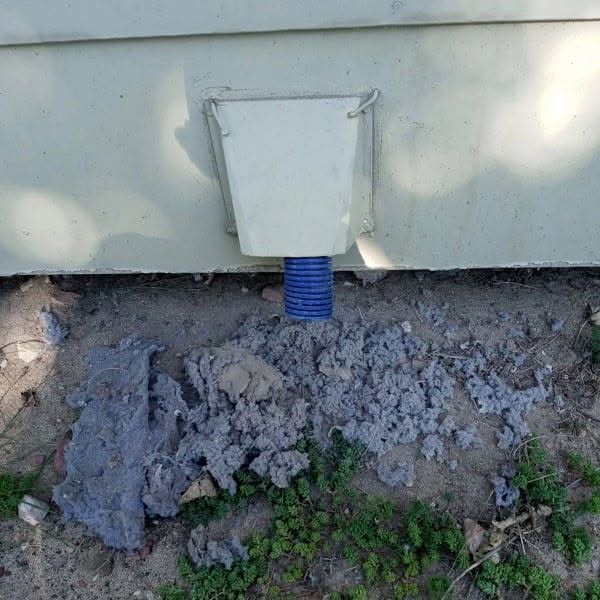
- Builds up at the exterior vent flap
- Combines with moisture to form dense, compacted masses
The longer the vent duct and the more bends it has, the faster lint accumulates. Homes where the dryer is located far from an exterior wall — common in many Colorado Springs homes with laundry rooms in the center of the house — are at higher risk because the vent duct is longer.
Warning Signs Your Dryer Vent Is Clogged
Performance signs:
- Clothes take more than one cycle to dry
- Clothes are hotter than normal at the end of a cycle
- The dryer itself is hot to the touch
- The laundry room feels unusually warm or humid when the dryer is running
- Drying times have gradually increased over the past year
Safety signs:
- A burning smell when the dryer is running
- The exterior vent flap doesn't open when the dryer is on (no airflow)
- Visible lint around the dryer or vent opening
- It's been more than a year since the vent was last cleaned
If you notice a burning smell, stop using the dryer immediately and call a professional. This is a serious fire hazard.
The Fire Risk: Understanding What Happens
Lint is highly flammable. When it accumulates in a dryer vent, it creates a fuel source right next to a heat source. Here's how a dryer fire typically starts:
- Lint accumulates in the vent duct, restricting airflow
- Restricted airflow causes the dryer to overheat
- The overheated dryer ignites the lint in the vent
- The fire spreads through the vent duct and into the wall cavity
- By the time smoke detectors activate, the fire may already be inside the walls
Dryer fires are particularly dangerous because they often start inside walls where they're not immediately visible. They can spread significantly before being detected.
Beyond Fire Safety: Efficiency and Appliance Life
Even if a clogged vent never causes a fire, it costs you money every day:
Higher energy bills — A dryer with a clogged vent has to run longer to dry the same load. The U.S. Department of Energy estimates that a clogged dryer vent can increase drying time by 30–50%, directly increasing your energy costs.
Appliance wear — Running longer cycles puts more wear on the dryer's heating element, motor, and drum. A dryer that should last 15 years may fail in 8–10 if the vent is consistently clogged.
Clothing damage — Excessive heat from a restricted vent damages fabric fibers, causing clothes to wear out faster and colors to fade.
How Often Should You Clean Your Dryer Vent?
The general recommendation is at least once per year for most households. Clean more frequently if:
- You do more than 5 loads of laundry per week
- You dry heavy items like towels, blankets, and jeans regularly
- Your vent duct is longer than 10 feet or has multiple bends
- You have a large family
- You notice any of the warning signs listed above
DIY vs. Professional Dryer Vent Cleaning
DIY cleaning is possible for short, straight vent runs. You can purchase a dryer vent cleaning kit (a long flexible brush) at a hardware store for $20–$40. This works reasonably well for simple vent configurations.
Professional cleaning is recommended when:
- Your vent duct is longer than 10 feet
- The duct has multiple bends or turns
- You can't access the full length of the duct
- You've noticed performance issues or warning signs
- It's been more than 2 years since the last cleaning
Professional cleaners use high-powered rotary brushes and vacuum equipment that can clean the entire length of the duct — including sections that are inaccessible from either end. They can also inspect the duct for damage, improper installation, or bird nests (a surprisingly common problem with exterior vent openings).
What Professional Dryer Vent Cleaning Includes
When Absolute Floors & More cleans your dryer vent, here's the process:
- Disconnect the dryer — We pull the dryer away from the wall and disconnect the vent connection.
- Inspect the duct — We check for damage, improper materials (flexible plastic duct is a fire hazard and should be replaced with rigid metal), and obstructions.
- Clean from both ends — We use rotary brushes and high-powered vacuum equipment to clean the duct from the dryer end and the exterior end.
- Clear the exterior vent — We clean the exterior vent cap and ensure the flap opens and closes properly.
- Reconnect and test — We reconnect the dryer and run a test cycle to confirm proper airflow.
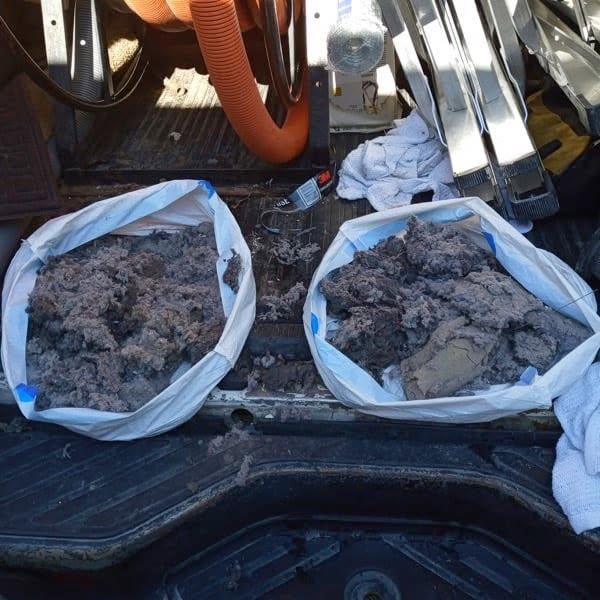
- Document the work — We show you what we removed and confirm the vent is clear.
Dryer Vent Materials: What's Safe and What Isn't
Not all dryer vent materials are equal. Here's what you need to know:
Rigid metal duct (aluminum or galvanized steel) — The safest option. Smooth interior walls don't trap lint, and the material is fire-resistant.
Semi-rigid metal duct — Acceptable for short runs. Better than flexible plastic but not as good as rigid metal.
Flexible foil duct — Acceptable for the connection between the dryer and the wall, but should not be used for the full vent run. The accordion-style walls trap lint.
Flexible plastic duct — Not acceptable. This material is a fire hazard and is prohibited by most building codes. If your dryer uses flexible plastic duct, it should be replaced immediately.
Dryer Vent Cleaning Costs in Colorado Springs
Professional dryer vent cleaning typically costs:
- Standard cleaning: $75–$150
- Long or complex duct runs: $150–$250
- Duct repair or replacement: $100–$300 depending on the extent
Schedule air duct cleaning and dryer vent cleaning at the same location during the same appointment to receive our discounted dryer vent cleaning rate. It is the best value compared with scheduling separate visits, so ask about the Air Duct Cleaning + Dryer Vent Cleaning combination discount when you call.
Schedule Your Dryer Vent Cleaning in Colorado Springs
Don't wait until you have a problem. Dryer vent cleaning is inexpensive insurance against a house fire and an easy way to reduce your energy bills.
Absolute Floors & More provides professional dryer vent cleaning throughout Colorado Springs and the surrounding area. We use professional-grade equipment to clean your entire vent system, not just the accessible section.
Call (719) 896-6274 or request a free quote. Ask about adding air duct cleaning during the same visit for our discounted combination rate. Protect your home — schedule your dryer vent cleaning today.
Explore Topics
Written by
Absolute Floors & More
Content creator and writer sharing insights and stories.


