Can Wet Carpet Be Saved After Flooding? (Honest Assessment)
Whether wet carpet can be saved depends on three factors: how long it''s been wet, the type of water (clean vs. contaminated), and whether the padding is salvageable. Here''s the honest answer.

The honest answer: it depends — and the three factors that determine it are time, water type, and padding condition.
Get the assessment right and you can save thousands of dollars. Get it wrong and you end up with mold growing under your floors for months before you realize it.
This guide gives you the framework professionals use to make this decision — so you can make an informed choice when water damage happens in your home.
The Three Factors That Determine Salvageability
Factor 1: How Long Has the Carpet Been Wet?
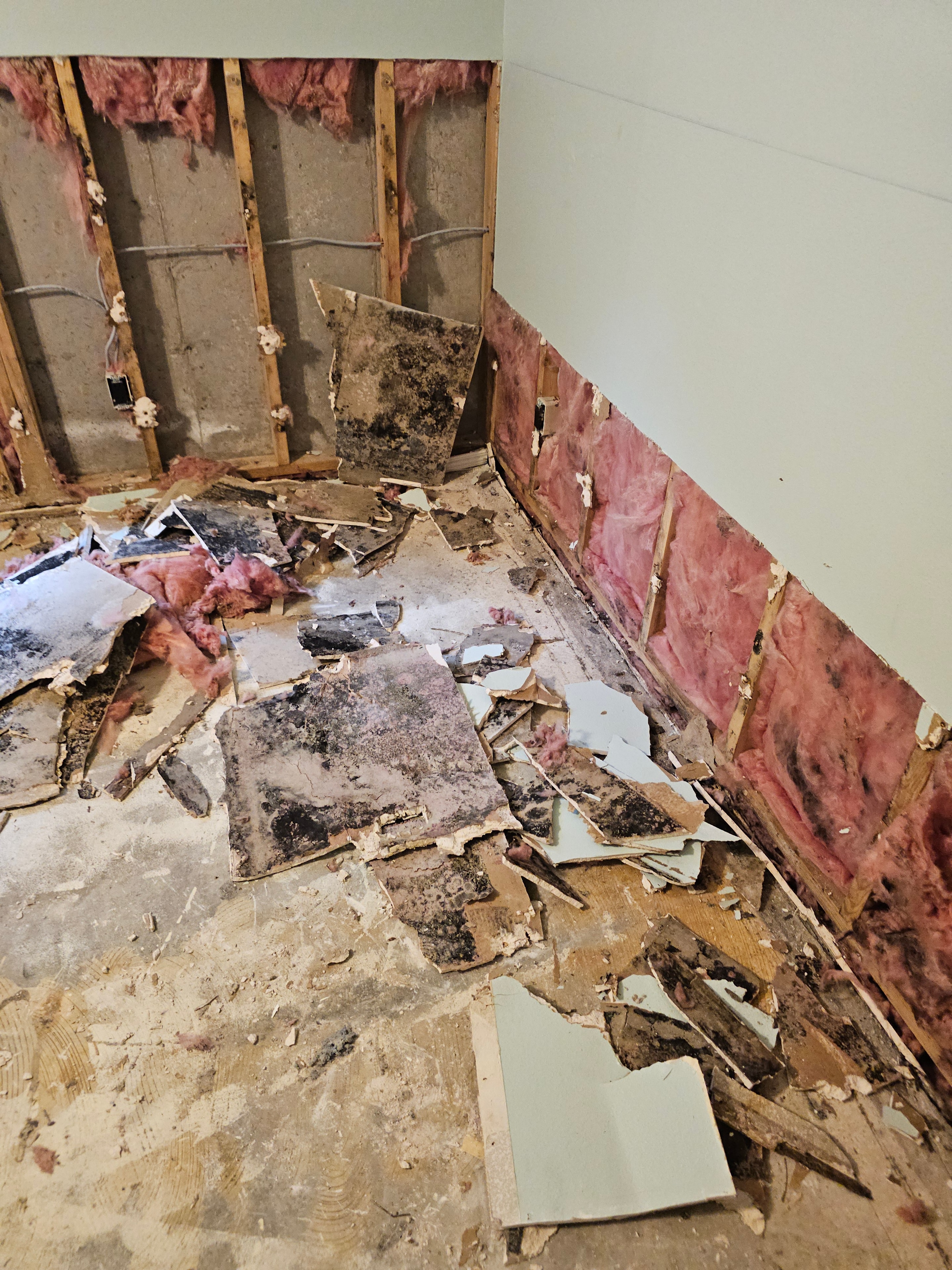
This is the most critical factor. Mold begins growing on wet organic materials — including carpet fibers, backing, and padding — within 24 to 48 hours under typical indoor conditions.
Under 24 hours: Carpet is almost always salvageable if the water source is clean. Immediate extraction and drying can prevent mold growth entirely.
24–48 hours: Carpet may be salvageable depending on water type and drying conditions. Professional assessment is essential. Mold growth may have begun.
Over 48 hours: Carpet salvageability is significantly reduced. Mold is likely present in the padding and possibly the carpet backing. Replacement is often the safer and more cost-effective choice.
Over 72 hours: In most cases, carpet and padding should be replaced. The mold risk is too high, and the cost of remediation often exceeds the cost of replacement.
The clock starts when the carpet gets wet — not when you discover it. If you come home to find a burst pipe that's been running for an unknown period, assume the worst-case timeline.
Factor 2: What Type of Water?
Water damage professionals classify water into three categories based on contamination level:
Category 1 — Clean Water Source: broken supply lines, overflowing sinks, rain water, appliance malfunctions (washing machine, dishwasher, refrigerator ice maker)
Clean water poses the lowest health risk. Carpet wet from Category 1 water is the most likely to be salvageable, provided it's addressed quickly.
Category 2 — Gray Water Source: washing machine discharge, dishwasher overflow, aquarium leaks, toilet overflow (urine only, no feces), sump pump failure
Gray water contains biological contaminants and chemical compounds. Carpet wet from gray water is potentially salvageable if treated within 24 hours, but requires more aggressive treatment including antimicrobial application.
Category 3 — Black Water Source: sewage backup, toilet overflow with feces, flooding from rivers or streams, standing water that has been contaminated
Black water is grossly contaminated with pathogens, bacteria, and potentially toxic compounds. Carpet wet from black water should always be replaced. No amount of cleaning makes it safe to keep. The health risk is too high.
Additionally, water category can change over time. Clean water that sits for 48+ hours becomes gray water as bacteria multiply. Gray water that sits becomes black water. This is another reason why time is so critical.
Factor 3: Is the Padding Salvageable?
Carpet padding is almost never salvageable after significant water damage, regardless of water category or time elapsed. Here's why:
Carpet padding is typically made of foam, rebond (recycled foam), or fiber materials — all of which are highly absorbent and difficult to dry thoroughly. Even when the carpet surface appears dry, padding can retain moisture for days or weeks.
This retained moisture creates a perfect environment for mold growth — hidden under the carpet where you can't see it, smell it (initially), or address it without pulling up the carpet.
The standard professional recommendation: Replace the padding in virtually all water damage situations. The cost of new padding ($0.50–$1.50 per square foot) is far less than the cost of mold remediation.
The carpet itself may be salvageable; the padding almost never is.
When Carpet CAN Be Saved
Carpet is a good candidate for saving when:
✓ Water was Category 1 (clean) ✓ Carpet has been wet less than 24 hours ✓ Carpet can be fully dried within 24–48 hours of extraction ✓ No mold is visible or detectable by smell ✓ Carpet is in otherwise good condition (not old, worn, or previously damaged) ✓ Sub-floor is not contaminated or damaged
When all these conditions are met, professional extraction and drying can save the carpet. The padding will still need replacement.
When Carpet Should Be Replaced
Replace carpet when:
✗ Water was Category 3 (sewage/black water) — always replace ✗ Carpet has been wet more than 48–72 hours ✗ Mold is visible on the carpet or backing ✗ Musty odor persists after drying ✗ Water was Category 2 and carpet has been wet more than 24 hours ✗ Sub-floor is contaminated or structurally damaged ✗ Carpet is old, worn, or was already due for replacement
The last point is worth emphasizing: water damage is sometimes an opportunity to replace carpet that was already at the end of its useful life. If your carpet was 10+ years old and showing significant wear, replacement may be the better choice even if the carpet technically could be saved.
The Drying Process: What Proper Restoration Looks Like
If the assessment determines the carpet is salvageable, here's what proper professional drying involves:
Step 1: Water Extraction Truck-mounted or portable extraction equipment removes standing water and as much moisture as possible from the carpet. This step is critical — the more water removed mechanically, the less work the drying equipment has to do.
Step 2: Padding Removal The carpet is pulled back and the wet padding is removed and discarded. This exposes the sub-floor for drying and inspection.
Step 3: Sub-Floor Drying The sub-floor (typically plywood or concrete) must be dried before new padding and carpet are reinstalled. Moisture meters are used to verify dryness. Concrete sub-floors require longer drying times.
Step 4: Carpet Drying The carpet is dried using commercial air movers and dehumidifiers. Air movers create high-velocity airflow across the carpet surface; dehumidifiers remove moisture from the air. This combination dries carpet significantly faster than air movers alone.
Step 5: Antimicrobial Treatment An antimicrobial solution is applied to the carpet and sub-floor to prevent mold and bacterial growth during and after drying.
Step 6: Monitoring Moisture levels are monitored with meters throughout the drying process. Carpet should reach acceptable moisture levels (typically below 15% for carpet, below 19% for wood sub-floors) before reinstallation.
Step 7: Reinstallation New padding is installed and the carpet is re-stretched and reinstalled.
Mold Prevention: The Critical Window
The 24–48 hour window for mold growth is not a hard cutoff — it's a guideline based on typical conditions. Mold can grow faster in warm, humid conditions and slower in cool, dry conditions.
Colorado Springs' dry climate is actually an advantage here. Lower ambient humidity means the mold growth window may be slightly extended compared to humid climates. However, this doesn't mean you can delay — the moisture trapped in carpet and padding creates its own microenvironment regardless of outdoor humidity.
Actions that prevent mold:
- Extract water immediately
- Remove padding immediately
- Run air movers and dehumidifiers continuously until dry
- Maintain indoor temperature between 70–80°F (optimal for drying, not for mold)
- Apply antimicrobial treatment
Actions that promote mold:
- Leaving wet carpet in place without extraction
- Running only fans without dehumidifiers (fans move moist air but don't remove moisture)
- Closing off the affected area (reduces airflow)
- Delaying treatment by more than a few hours
Insurance Documentation
If your water damage is covered by homeowner's insurance, proper documentation is essential:
- Photograph everything before any cleanup begins — the source of water, the affected areas, the extent of damage
- Document the timeline — when you discovered the damage, when you called for help, when treatment began
- Keep all receipts for emergency services, equipment rental, and materials
- Get a written assessment from the restoration professional documenting water category, affected areas, and recommended treatment
- Don't discard damaged materials until your adjuster has inspected them
Most homeowner's insurance policies cover sudden and accidental water damage (burst pipes, appliance failures) but not gradual leaks or flooding from outside the home. Review your policy before assuming coverage.
Cost Comparison: Save vs. Replace
| Scenario | Estimated Cost |
|---|---|
| Professional extraction + drying + new padding | $500–$1,500 |
| Carpet replacement (materials + labor) | $2–$8 per sq ft installed |
| Mold remediation (if mold develops) | $500–$3,000+ |
| Sub-floor replacement (if damaged) | $3–$8 per sq ft |
For a 200 sq ft room:
- Save the carpet: $500–$1,500 (extraction + drying + new padding)
- Replace the carpet: $400–$1,600 (carpet + padding + installation)
The costs are often comparable. The decision should be based on the salvageability factors above, not just cost.
Frequently Asked Questions
Q: Can I dry wet carpet myself with fans? A: Household fans can help with surface drying but are insufficient for thorough carpet drying. They move air but don't remove moisture from the air. Without dehumidification, you're just moving moist air around. Professional drying equipment — commercial air movers and dehumidifiers — is significantly more effective.
Q: How long does it take to dry wet carpet professionally? A: Typically 3–5 days for carpet to reach acceptable moisture levels with professional equipment running continuously. Concrete sub-floors may take longer. Monitoring with moisture meters is the only way to know when drying is complete.
Q: What does mold under carpet look like? A: Mold under carpet may appear as dark spots (black, green, or gray) on the carpet backing or sub-floor. It often has a musty, earthy smell. If you pull back a corner of carpet and see or smell mold, the carpet and padding should be replaced and the sub-floor treated.
Q: My carpet dried on its own — is it safe? A: Not necessarily. Carpet that appears dry on the surface may still have moisture in the backing and padding. If the carpet dried without professional extraction and dehumidification, mold may be growing in the padding even if the surface seems fine. If there's any doubt, have it inspected.
Q: Does homeowner's insurance cover carpet replacement after water damage? A: It depends on the cause. Sudden and accidental damage (burst pipe, appliance failure) is typically covered. Gradual leaks, flooding from outside, and sewer backup may require separate coverage. Review your policy and contact your insurer promptly after any water damage.
The Bottom Line
The decision to save or replace wet carpet comes down to three factors: time, water type, and padding condition. When in doubt, err on the side of replacement — the cost of mold remediation far exceeds the cost of new carpet.
If you're within the salvageable window, act immediately. Every hour matters.
Absolute Floors & More provides 24/7 emergency water damage response throughout Colorado Springs, Fountain, Monument, and the surrounding region. Call (719) 896-6274 any time — day or night.
Explore Topics
Written by
Nathaniel Lemieux
Content creator and writer sharing insights and stories.